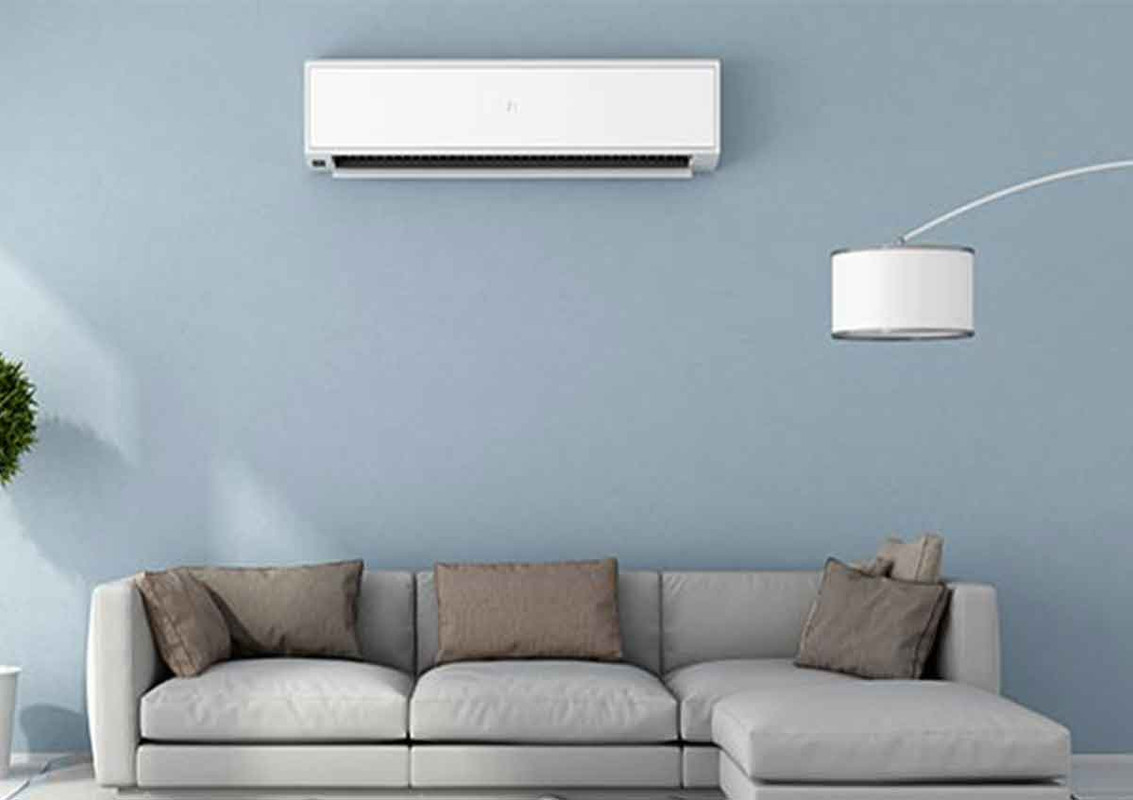
Not everybody is familiar with the various kinds of Heating and Cooling devices that exist to make heating and cooling possible. As time goes on, HEATING AND COOLING devices modifications for the better, typically being more expense efficient or energy effective. Knowing some of the basic pieces and their functions might help create a better understanding of how a Heating and Cooling system runs.
Not all Heating and Cooling systems are the same, however much of them include HVAC company - air-conditioning-repair-toronto.ca the very same parts that are required to work together as a system. Whether you have the capability to do it yourself or you require to call a HVAC professional, these parts that are consistently working together to keep the overall system running smoothly. Let's do a rundown on some Heating and Air Conditioning equipment.
HVAC Coils
There are 2 kinds of Heating and Air Conditioning coils in a typical A/C system; a condenser coil and an evaporator coil. The condenser coil help in heat exchange, and much like it says in the name, it condenses the hot refrigerant gas by being pumped outside and put under pressure to turn into liquid. The condenser coil then helps to launch the heat, and the refrigerant returns inside to the evaporator coil. The evaporator coil, typically discovered in the air conditioner, is where the home air goes through to be taken in and turned into https://air-conditioning-repair-toronto.ca/faq/ cold air. This air is then blown through the ducts.
Air Handler
An air handler is an indoor metal box used for both heating & cooling. It contains the blower, which is what sends the air through your house, along with the evaporator coil. Depending on the size of the Heating and Cooling system, it's readily available in various sizes and various speeds. It's one of the most fundamental parts of the A/C system. It's how your cool air and warm air reaches you.
Refrigerant Lines
Refrigerant lines are the metal tubes that the refrigerant goes through on its way to the evaporator coils. Refrigerant is what causes the cooling. The condensing unit vaporizes the liquid into gas and goes to the evaporator coil as liquid. These tubes can handle lots of temperatures, from normal to severe.
Heating system
The furnace is a big unit, typically concealed away in a basement or a closet. The furnace is the Heating and Air Conditioning system's heat provider. Heat is sent out from the furnace to all the ducts of the home. There are various kinds of heaters with different kinds of heat sources. For example, a gas heating heater utilizes gas and oil.
Single Stage Furnace vs. Two-Stage Heater
The single stage furnace has an on and off function, permitting the user to have full control. The two-stage heating system overcomes the thermostat. The thermostat is used to determine whether hot air or cold air is required. The two-stage heater is beneficial for conserving energy since the heater turns off by itself when the temperature reaches a suitable level.
Heat Exchanger
A heat exchanger is found in every heating system unit. It's an extremely fundamental part and it should be kept tidy. Initially, the thermostat activates the heater. Then, the heat exchanger goes into action. Cool air comes into the heat exchanger, which is pulled from the rooms of the home or building, and is warmed to be dispersed back in.
Thermostat
A thermostat is the managing part of the heater. It senses the temperature level and notifies the heating system. The majority of them are positioned so that they can be easily accessed and changed by those occupying the home or building. Depending upon preference, they can be programmed or by hand set. A programmable thermostat is useful for managing the temperature level during all times of the day. A programmable thermostat can even assist to conserve cash and energy.
Ducts
Ducts, or ductwork when referring to the system of ducts, are typically made from aluminum and frequently placed within the ceiling when the home or building is built. Ductwork is responsible for moving air to different air conditioning specialists near me locations of the house. It is very important to keep the ducts insulated.
Vents
A vent is a rectangle-shaped opening in which the air moved from the ducts is released. The metal used to make the vents has the ability to deal with both the cold and hot air temperature levels that go through. Have a look on or near your ceiling. They're more than likely there.
Not all vents are referred to as vents. Some have specific names. An example of one is a supply register. It's a small rectangle-shaped vent that brings the warm and cold air. The reverse of this is the return vent. The return vent is larger and made to, you thought it, return the air. It gets gone back to the A/C system to go through the process of being warmed or cooled again.
Conclusion
There you have it; more behind heating and cooling than you most likely needed to know. As long as your home is getting the appropriate heating and cooling, you might not think twice about the workings behind it. Now when you're at house or any structure taking pleasure in the conveniences of one or the other, you'll be experienced about what devices is making it possible.